EODY–ECDC Collaboration in the Greek Field Epidemiology Training Program

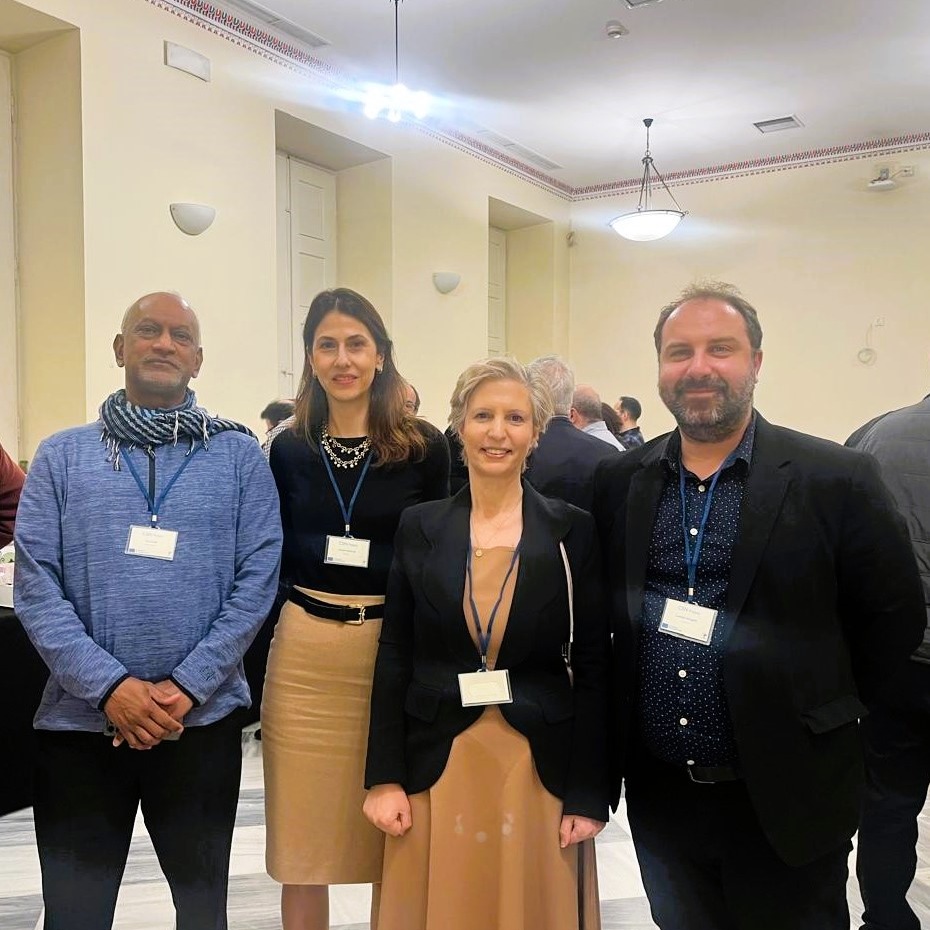
The Hellenic National Public Health Organization (EODY) actively participated in the training activity held in Spetses from September 22 to October 10, as part of the Greek Field Epidemiology Training Program, as well as within the framework of Work Package 6 Comprehensive Training Framework of the Collaborative Surveillance Network (CSN) program, thereby strengthening the national contribution to European public health initiatives.

During the three-week course, EODY trainees had the opportunity to deepen their knowledge in key areas of field epidemiology, such as the operation and evaluation of infectious disease surveillance systems, the implementation of public health policies, and outbreak investigation methodologies.

This program is an integral part of the European Programme for Intervention Epidemiology Training (EPIET), coordinated by the European Centre for Disease Prevention and Control (ECDC), and fully aligned with the structure and principles of the broader European training framework.

In addition to the high-quality theoretical and practical training, participation in the program enabled EODY trainees to collaborate and exchange experiences with colleagues from various European countries, strengthening both international scientific cooperation and connections between European public health systems.

EODY’s active involvement in such training initiatives substantially contributes to enhancing operational readiness and response capabilities for epidemiological events at both national and international levels.

Co-funded by the European Union. Views and opinions expressed are, however, those of the author(s) only and do not necessarily reflect those of the European Union or the granting authority. Neither the European Union nor the granting authority can be held responsible for them.

Online Meeting Strengthens CSN Network Coordination


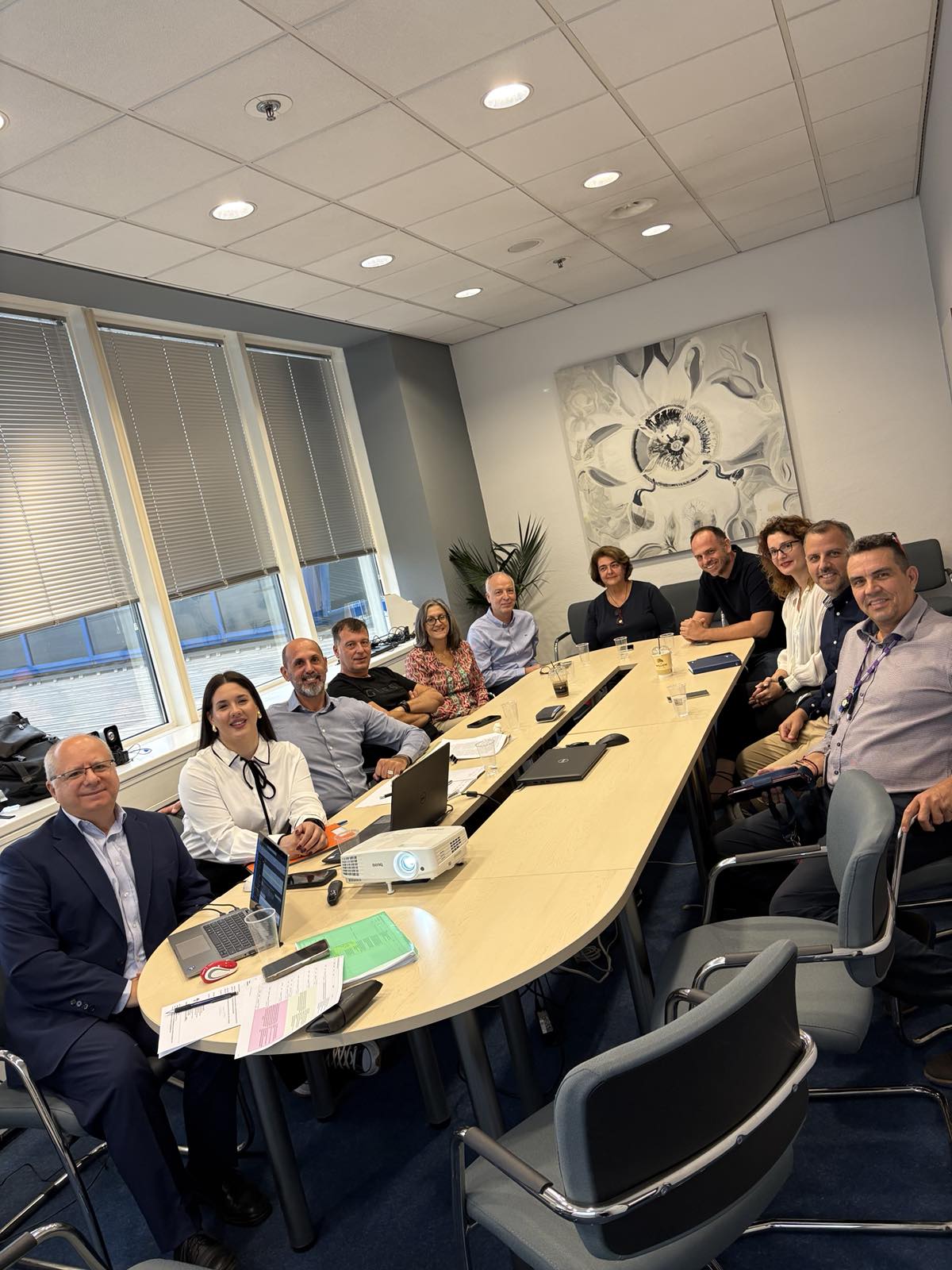
On 29th of September 2025, an online coordination meeting was successfully held among partners of the CSN – Collaborative Surveillance Network for Public Health Threats, co-funded by the European Union.

The meeting brought together representatives from all partner organizations, aiming to review progress across Work Packages, address challenges, and plan the next stages of the project implementation.

Key topics covered during the meeting included:

  • General updates and progress across all Work Packages.
  • Strengthened collaboration and partner alignment.
  • Planning of upcoming actions such as pilot activities, interoperability enhancement, and communication efforts.

Participants actively engaged in discussions, demonstrating their joint commitment to building an effective and sustainable surveillance mechanism that will enhance preparedness and response to public health threats.

Co-funded by the European Union. Views and opinions expressed are, however, those of the author(s) only and do not necessarily reflect those of the European Union or the granting authority. Neither the European Union nor the granting authority can be held responsible for them.

Meeting on Mosquito Control Measures in Aircraft at Athens International Airport

A hybrid meeting on mosquito control measures in aircraft took place on Wednesday, October 2nd, in the Leonardo Hall of Athens International Airport “Eleftherios Venizelos,” within the framework of the European Collaborative Surveillance Network (CSN) program, coordinated by the Hellenic National Public Health Organization (NPHO).

The meeting was organized by the Benaki Phytopathological Institute, which participates in the program as a collaborating partner and is jointly responsible together with the Agricultural University of Athens – for implementing Work Package 5 (Mosquito Data Management for Invasive Species Control). The meeting was supported by the International Air Transport Association (IATA).

Participants included representatives from airlines, airports, the Agricultural University of Athens, the Ministry of Rural Development and Food, Greek Pest Control Association (S.E.A.M.E.), and NPHO.

The main focus of the meeting was the implementation of the provisions of Government Gazette of the Hellenic Republic 3041Β/19.06.2025 concerning mosquito control measures in aircraft, aiming to protect public health and enhance flight safety. During the discussion, best practices were presented, and proposals for future collaboration among all stakeholders were exchanged.

The meeting provided a valuable opportunity for sharing knowledge and experience , and concluded with an agreement to continue dialogue for the effective management of risks associated with mosquitoes – disease vectors – in aircraft and airports.

The program is co-financed by the European Union. The opinions expressed are solely those of the authors and do not necessarily reflect those of the European Union or the funding authority. Neither the European Union nor the funding authority can be held responsible for them.

Direct Grants To Eu/eea Member States To Improve National Surveillance Systems (Awp 2023)

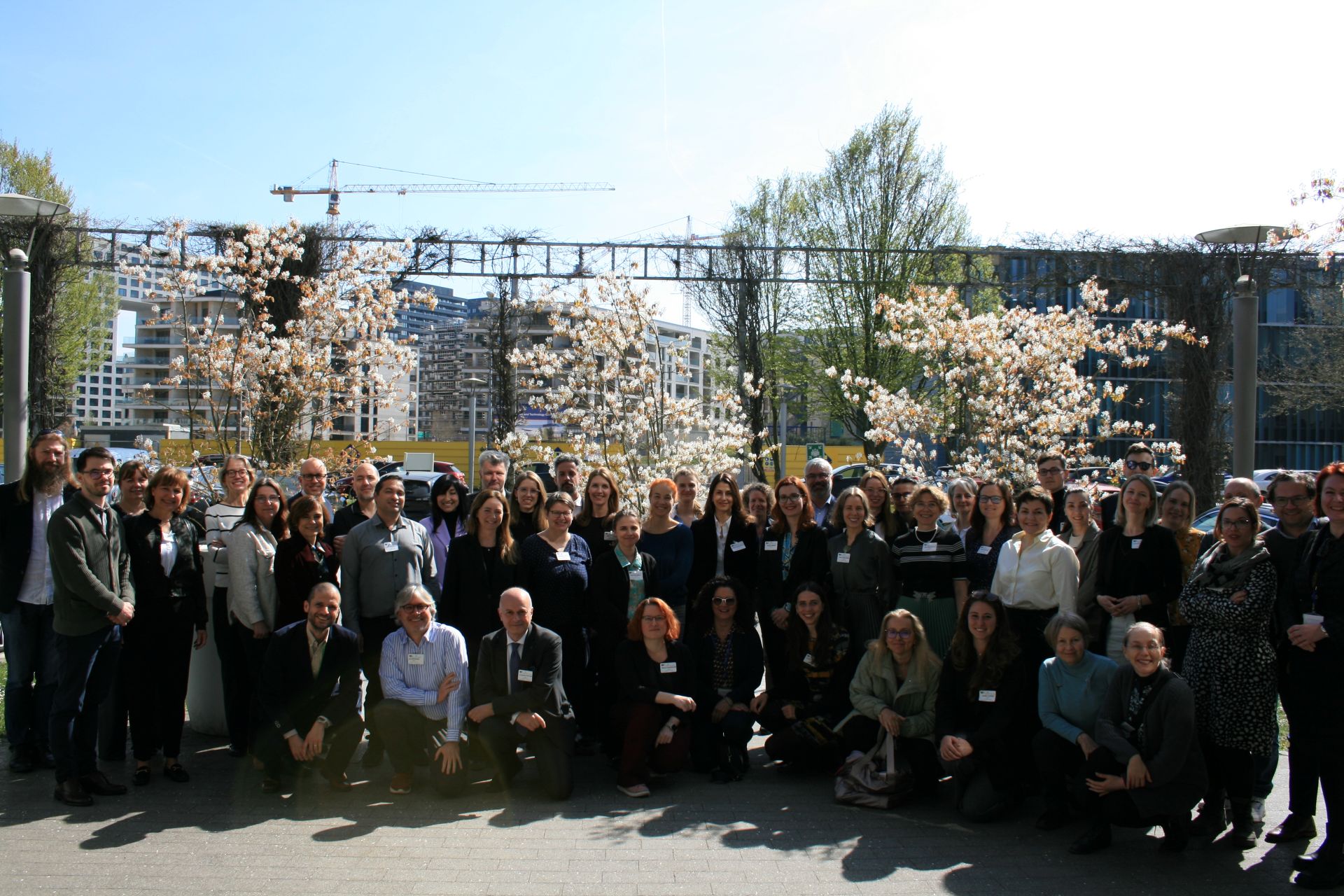
Inception Conference, 09 April 2025 – 10 April 2025, Luxembourg

The Inception conference for the member states’ authorities that have received Direct grants under the CP-g-23-01 call for improving and strengthening national surveillance systems (under Regulation 2022/2371 on serious cross-border threats to health). 23 Grants were signed in 2024 as mono-beneficiary grants with MS.

The meeting gave the opportunity to (1) to present the projects under the call and its intended work to each other; (2) to coordinate common work components, and to identify synergies between the grants and other actions; (3) to provide a networking opportunity. The Commission had invited 1-3 participants per project grant from Croatia, Luxemburg, Norway, Austria, Iceland, Malta, Ukraine, Sweden, Slovenia, Hungary, Netherlands, Belgium, Finland, Germany, France, Czechia, Lithuania, Greece, Cyprus, Denmark and Poland. European Commission, DG SANTE, European Centre for Disease Prevention and Control.

The CSN project was presented on the 2nd day of the meeting.

Co-funded by the European Union. Views and opinions expressed are, however, those of the author(s) only and do not necessarily reflect those of the European Union or the granting authority. Neither the European Union nor the granting authority can be held responsible for them.

Launch of the European Co-Funded CSN Program: Building a Strong and Collaborative Surveillance Network for Public Health Threats

The COVID-19 pandemic has highlighted, more emphatically than ever, the need for strong, interconnected, and flexible surveillance systems capable of detecting and effectively responding to emerging public health threats in a timely manner. Beyond the recent pandemic, all public health crises of recent years have demonstrated that fragmented surveillance and a lack of interoperability across sectors limit the ability to respond quickly and take preventive action.

In this context, the European CSN project – Collaborative Surveillance Network, co-funded by the European Union’s EU4HEALTH program – aims to fill this critical gap by creating a strong and collaborative surveillance network.

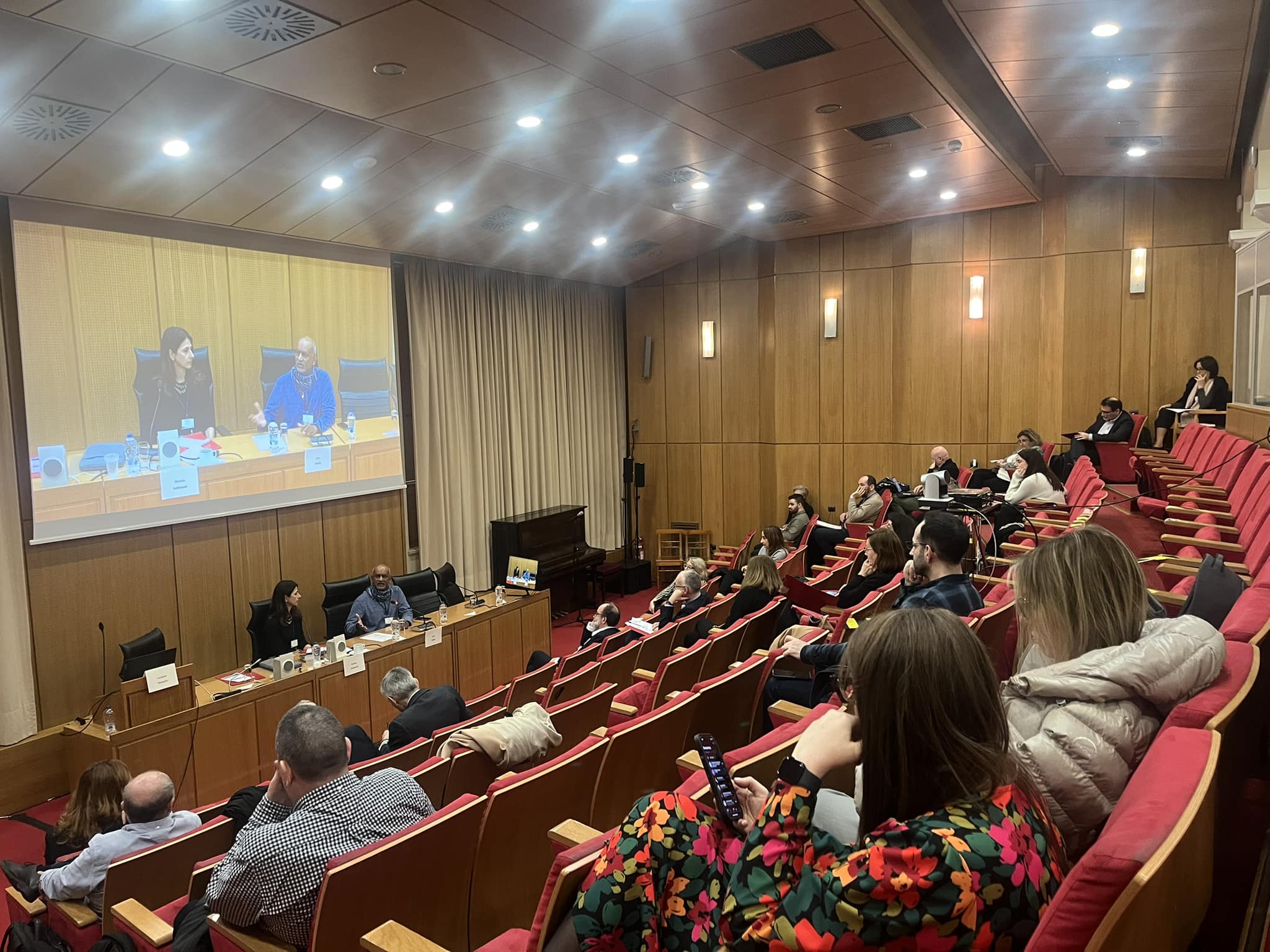
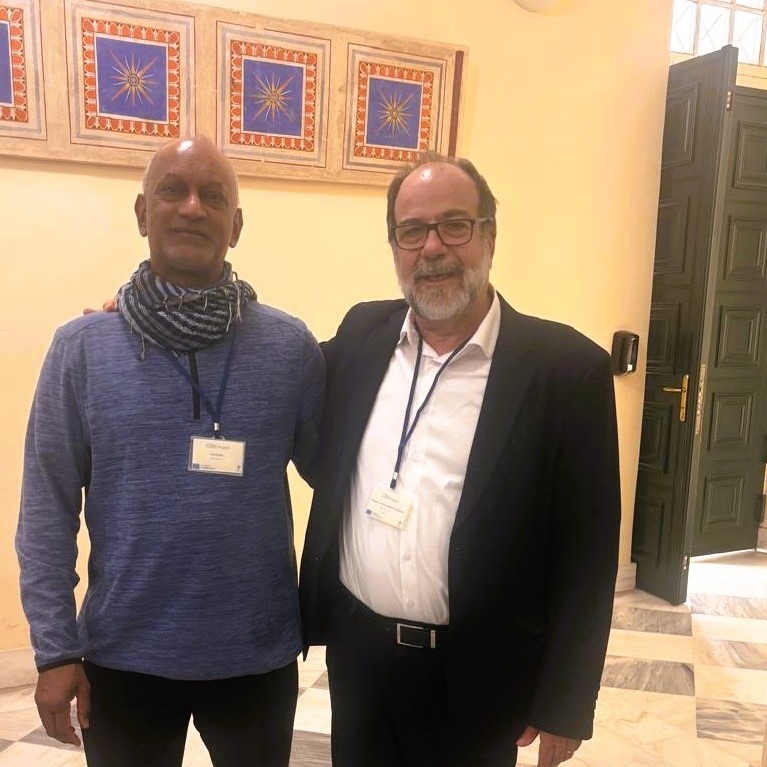
The official launch of the project took place on Thursday, February 27, at the “Alkis Argyriadis” Auditorium of the National and Kapodistrian University of Athens, marking the beginning of a collaboration among leading national and international organizations. CSN leverages the significant expertise of the Hellenic National Public Health Organization (EODY) in epidemiological surveillance and the Ministry of Health in crisis management. The program also involves the National and Kapodistrian University of Athens, the University of Thessaly, the Benaki Phytopathological Institute, the Agricultural University of Athens, and the University of West Attica.

Additionally, program partners include the Ministry of Health, the Ministry of Rural Development and Food, the Hellenic Food Authority, the Ministry of Environment and Energy – General Secretariat for Natural Environment and Water, and the General State Chemistry Laboratory. Members of the Scientific Advisory Committee include distinguished experts from the World Health Organization, the Robert Koch Institute (Germany), Vanderbilt University (USA), TEPHINET (CDC/USA), and the Medical & Veterinary Entomology Department “Giorgio Nicoli” (Italy).

CSN aims to establish an advanced and interoperable surveillance system that enables early detection and effective response to health threats. By strengthening collaboration and data sharing across different sectors, the project implements a One Health approach, bridging areas such as public health, veterinary medicine, and the environment. Furthermore, emphasis is placed on human resource development through the establishment of a training program for new field epidemiologists.

It is evident that CSN is an initiative embedded within a comprehensive strategic framework for strengthening public health, promoting one of its key pillars through collaboration, innovation, and technology utilization. In a world where health threats know no borders, developing a strong and flexible surveillance network is an essential prerequisite for safeguarding citizens’ health and ensuring the resilience of health systems against future challenges.

Co-funded by the European Union. Views and opinions expressed are, however, those of the author(s) only and do not necessarily reflect those of the European Union or the granting authority. Neither the European Union nor the granting authority can be held responsible for them.

Privacy Overview

This website uses cookies so that we can provide you with the best user experience possible. Cookie information is stored in your browser and performs functions such as recognising you when you return to our website and helping our team to understand which sections of the website you find most interesting and useful.